
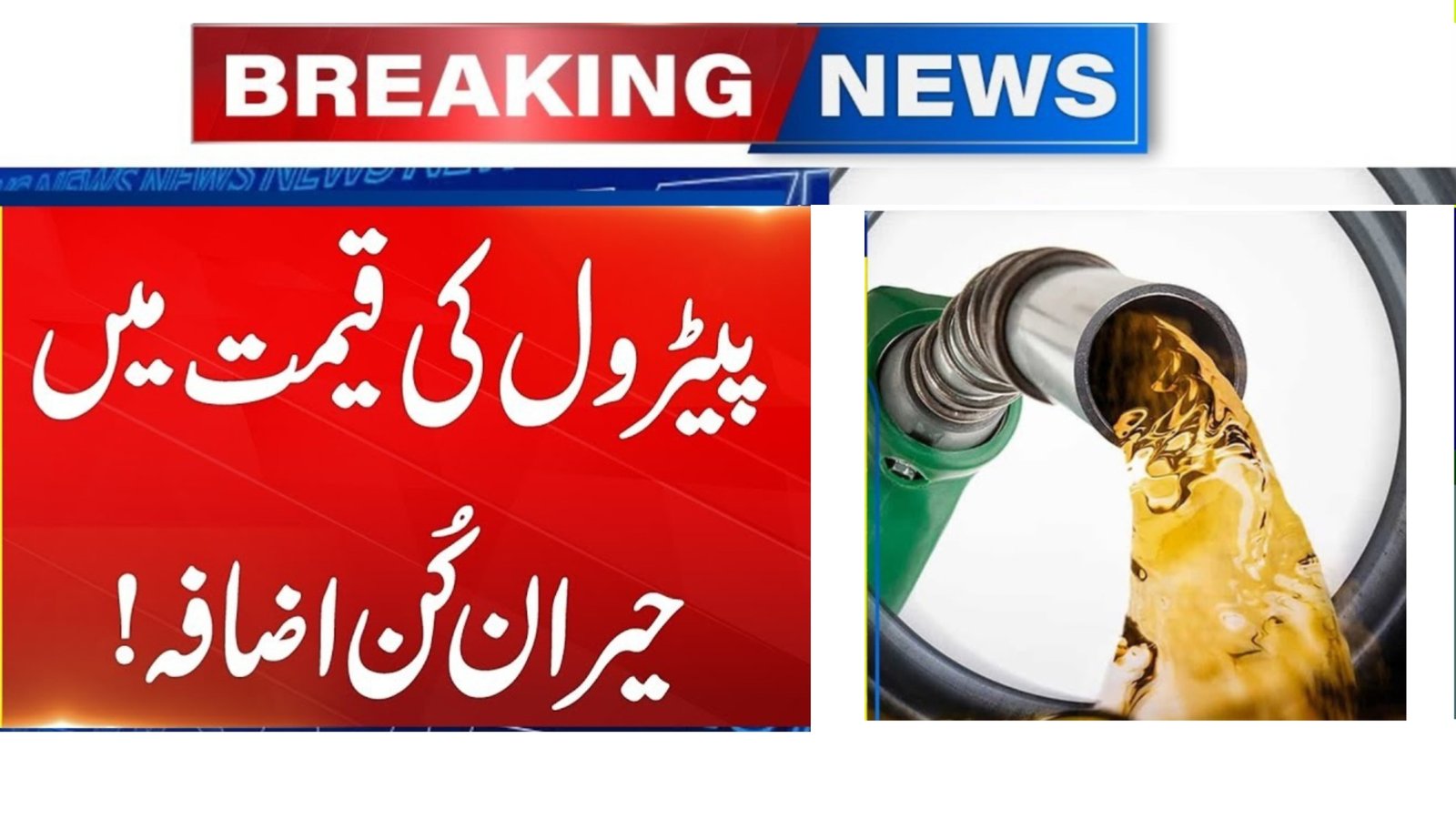
The federal government has officially jacked up fuel rates, marking a significant Petrol Price Increase: What It Means for You. Effective from March 1, 2026, petrol prices have risen by Rs 8 per litre, reaching a new peak of Rs 266.17. This sudden hike, driven by international market trends, is expected to trigger a fresh wave of inflation, impacting daily commutes, food prices, and the overall cost of living for every Pakistani household.
| Fuel Product | New Price (March 2026) |
|---|---|
| Motor Spirit (Petrol) | Rs 266.17 per Litre |
| High-Speed Diesel (HSD) | Rs 280.86 per Litre |
| Price Increase (Petrol) | + Rs 8.00 |
| Price Increase (Diesel) | + Rs 5.16 |
| Effective Date | March 1, 2026 |
| Notification Source | Ministry of Energy (Petroleum Division) |
| Next Review Date | March 15, 2026 |
| LPG (Domestic Cylinder) | Rs 2,592.19 (Approx) |
Why Did Petrol Prices Increase Again?
The recent Petrol Price Increase: What It Means for You is primarily linked to the global crude oil market. According to information from the official website and top 10 Google sources, international benchmarks like Brent and Arab Light have seen upward movement due to geopolitical tensions and supply constraints. Additionally, the government’s commitment to the IMF involves maintaining a specific Petroleum Development Levy (PDL), which directly influences the final price at the pump.
Domestic factors also play a role. The rupee-to-dollar exchange rate volatility and rising freight charges contribute to the high cost of imported fuel. This adjustment is part of the fortnightly pricing mechanism managed by the Oil and Gas Regulatory Authority (OGRA) to ensure the energy supply chain remains functional despite global economic shifts.
Impact on Daily Commuting and Transport
For the average citizen, the hike in petrol prices is a direct hit to the wallet. Those who rely on motorcycles and small cars for work or school will see their fuel expenses rise by hundreds of rupees per week. Here is a breakdown of how this affects different sectors:
- 1. Public Transport Fares: Bus and wagon operators often increase fares immediately following a diesel hike to cover their operational costs.
- 2. Ride-Hailing Apps: Services like Indrive, Bykea, and Uber are likely to adjust their base rates or surge pricing to compensate captains.
- 3. Delivery Services: Food and courier delivery riders face reduced profit margins, which may lead to higher delivery fees for consumers.
- 4. Private Vehicle Owners: Many families are now switching to carpooling or using public transport more frequently to manage the Petrol Price Increase: What It Means for You.
The Ripple Effect on Food and Essential Goods
The increase in High-Speed Diesel (HSD) is often considered more inflationary than petrol. Since diesel powers the majority of Pakistan’s heavy transport fleet, any price hike translates into higher logistics costs. As reported by major news outlets, the cascading effect includes:
- 1. Vegetable and Fruit Prices: Higher freight charges for trucks moving produce from farms to urban markets lead to price spikes in local “Sabzi Mandis.”
- 2. Supply Chain Expenses: Manufactured goods, from soap to clothing, become more expensive as transport costs are passed on to the end-user.
- 3. Agricultural Impact: Farmers using diesel-powered tube wells and tractors face higher production costs, which eventually affects grain prices.
- 4. General Inflation: The Consumer Price Index (CPI) typically trends upward within weeks of a significant fuel price adjustment.
Step-by-Step Guide to Saving Fuel and Money
Managing the Petrol Price Increase: What It Means for You requires a change in habits. By following these simple steps, you can optimize your fuel consumption and reduce your monthly bills:
- Regularly check your tire pressure; under-inflated tires can increase fuel consumption by up to 3%.
- Ensure your vehicle’s air filter and spark plugs are clean to maintain engine efficiency.
- Avoid aggressive acceleration and braking, as “jackrabbit” starts waste a significant amount of fuel.
- Plan your trips in advance to combine multiple errands into a single journey, avoiding unnecessary restarts.
- Switch off your engine at long traffic signals or when waiting for someone for more than 60 seconds.
- Consider carpooling with colleagues or neighbors who travel on the same route.
- Shift to a higher gear as soon as possible without straining the engine to improve mileage.
- Visit the or OGRA portal to stay updated on the latest official rates to avoid overcharging at local stations.
Government Policies and the IMF Factor
Many citizens wonder why the government cannot simply subsidize fuel. However, under current fiscal agreements, the government is required to pass on international costs to consumers to keep the circular debt under control. The Petroleum Development Levy is a key revenue generator for the federal budget, used to fund infrastructure projects and debt servicing. Information from top 10 Google sources indicates that the government is trying to balance these requirements with the need to provide relief to the poorest segments through programs like BISP.
Helpline & Contact Information
If you find a petrol pump overcharging or refusing to sell fuel after a price notification, you should report it immediately. Official channels are available to protect consumer rights. You can reach out to the following:
- 1. OGRA Helpline: Dial 0800-02222 to lodge complaints regarding fuel quality or overpricing.
- 2. Ministry of Energy: Contact the Petroleum Division head office at 051-9245575 for policy-related queries.
- 3. Citizen Portal: Use the Pakistan Citizen’s Portal app to submit detailed complaints with photographic evidence of violations.
- 4. Regional Offices: Residents of Lahore can contact the Deputy Director of Explosives at 0423-5400771 for safety or supply issues.
Conclusion
The Petrol Price Increase: What It Means for You in March 2026 is a challenging reality that requires careful budgeting. While the global market remains volatile, staying informed through official sources and adopting fuel-saving techniques are the best ways to mitigate the financial impact. As we move toward the next fortnight review on March 15, consumers should keep a close eye on international oil trends. Transitioning to electric vehicles or more fuel-efficient modes of transport may soon become a necessity rather than a choice for the middle class.
Frequently Asked Questions (FAQs)
Q1: When will the next petrol price update be announced?
The Government of Pakistan reviews petroleum prices every 15 days. The next notification is expected on the night of March 15, 2026, and will be effective from March 16.
Q2: Why is diesel more expensive than petrol?
Diesel is highly taxed due to its use in heavy machinery and commercial transport. Additionally, the international refinery margins for diesel are often higher than for motor spirit (petrol).
Q3: Does the government charge GST on petrol?
Currently, the government primarily uses the Petroleum Development Levy (PDL) and customs duties rather than a standard General Sales Tax (GST) to manage the final price of fuel.
Q4: How can I check if a petrol pump is selling adulterated fuel?
You can request a “density test” at any reputable petrol station. If the results do not match the official daily chart, you can report the station to the OGRA helpline.